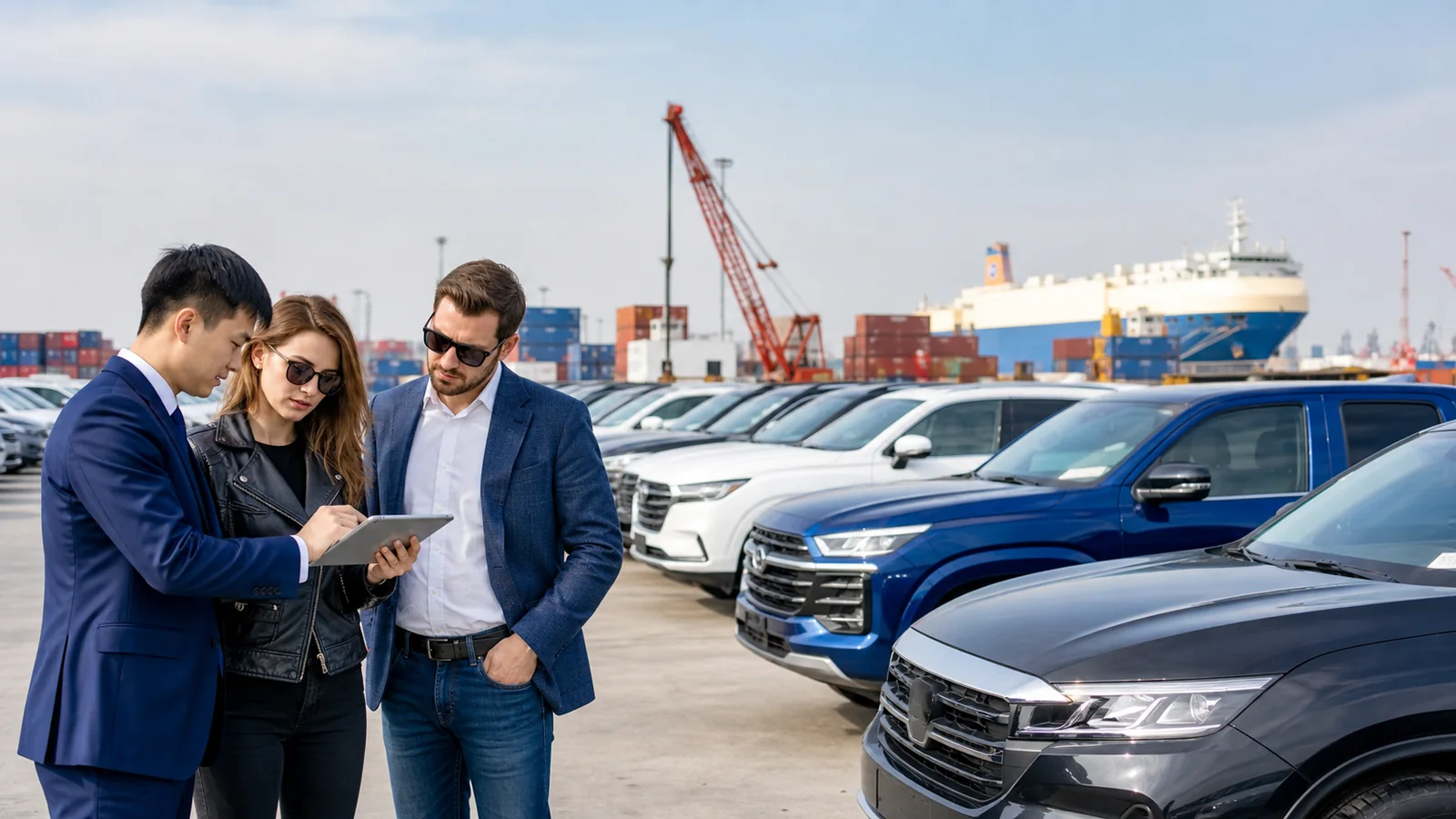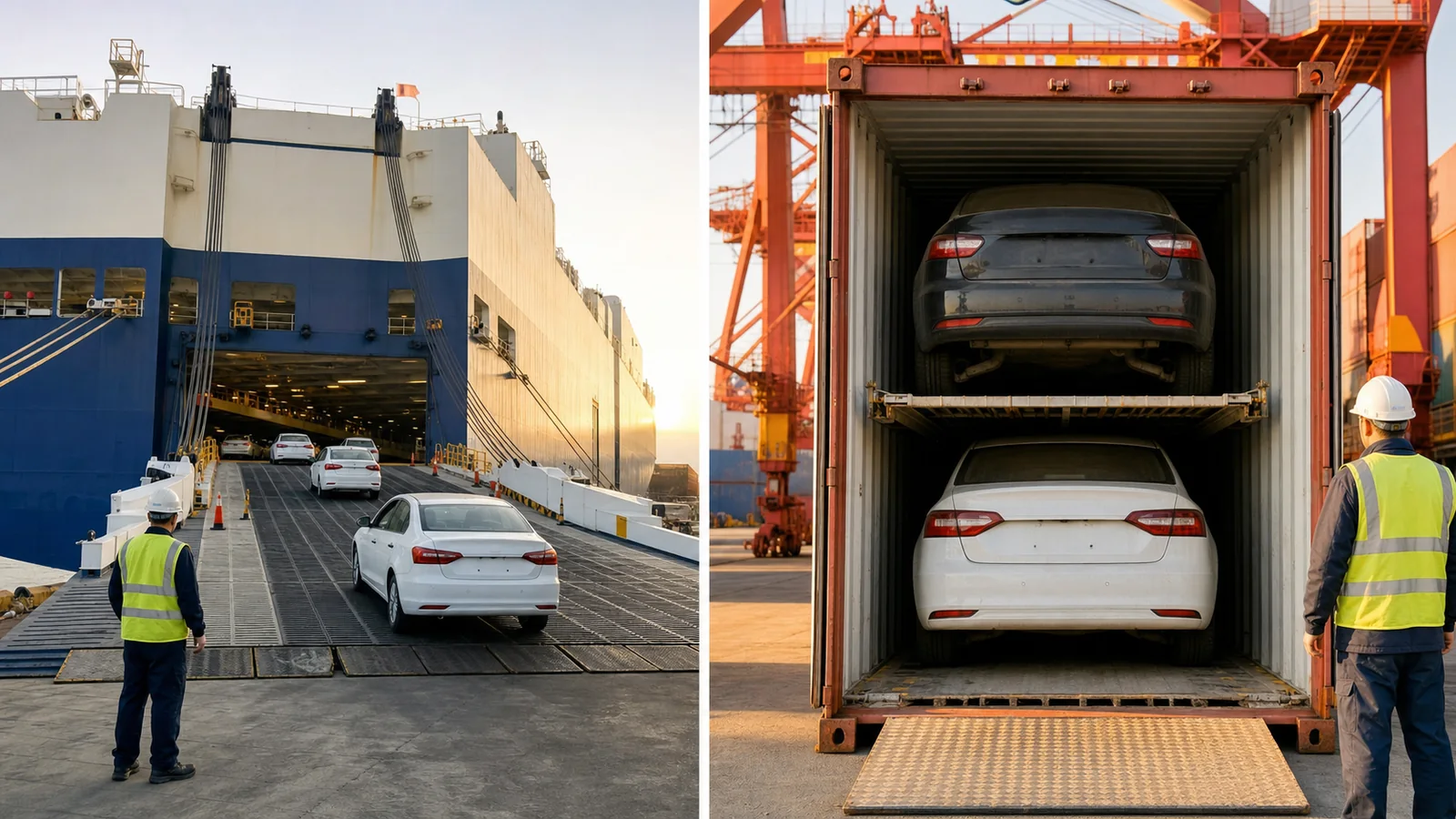
RoRo and container shipping can both move used vehicles internationally, but route availability, vehicle condition, quantity and destination handling determine which option is practical for a particular order.
How RoRo shipping works
The vehicle is driven onto a specialized vessel and secured inside. RoRo can be efficient where regular vehicle routes exist, especially for running standard-size vehicles. Buyers should confirm route, schedule, personal-item restrictions, fuel limits and destination procedures. The vehicle must meet the carrier's operational requirements.
How container shipping works
Vehicles are loaded and secured inside a 20-foot, 40-foot or high-cube container according to the loading plan and carrier rules. Containers can suit multiple vehicles, higher-value units or destinations without suitable RoRo service. Correct spacing, lashing, battery precautions and documentation are essential; loading capacity depends on vehicle dimensions.
Compare total handling, not freight alone
Freight rates change with route, season, fuel, equipment and port conditions. Include loading, securing, terminal handling, destination unloading and inland delivery. A low ocean rate can be offset by difficult destination handling or storage. Ask for the valid period and what happens if the planned sailing changes.
Evidence buyers should receive
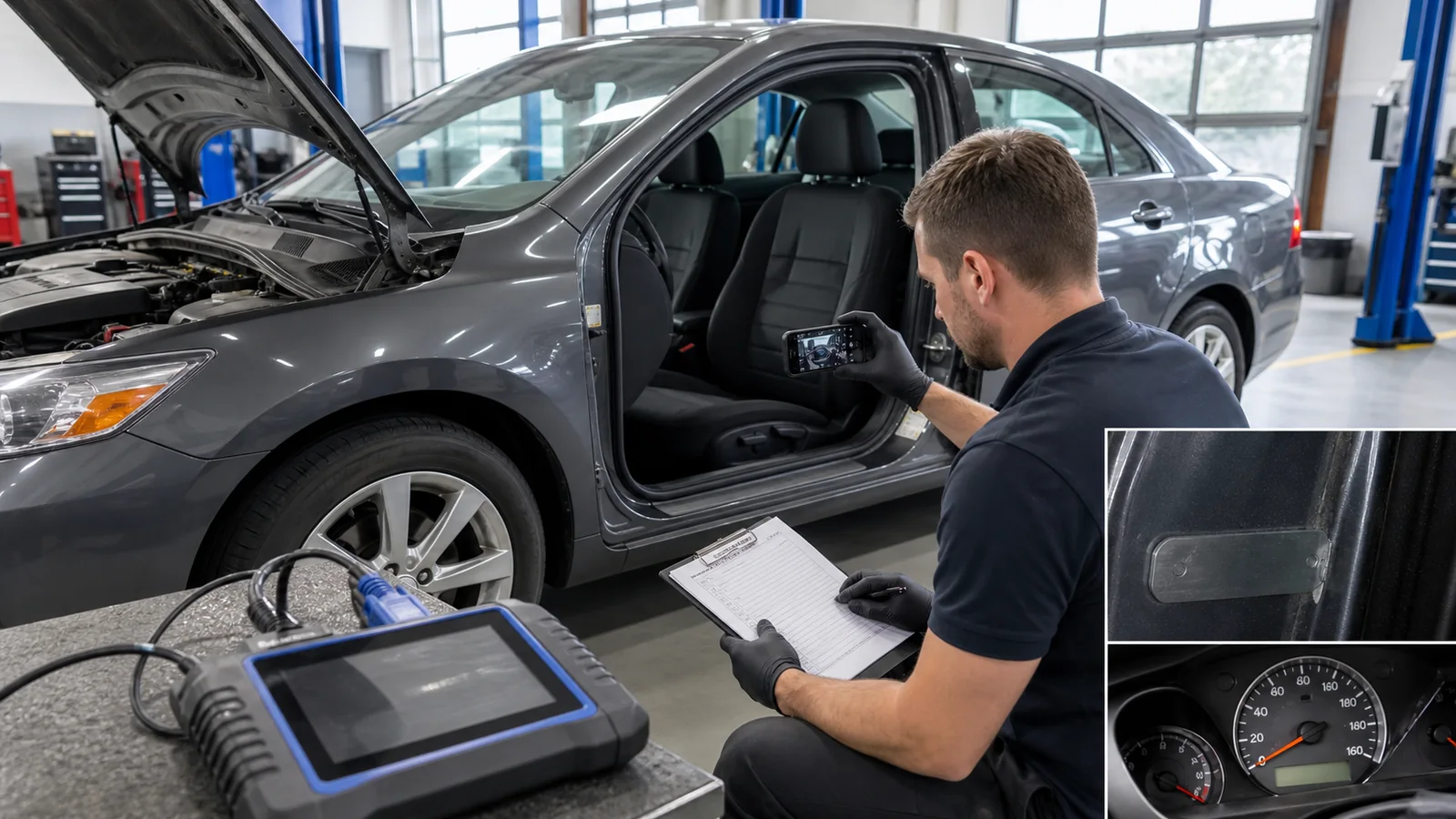
Request pre-loading condition photos, VIN confirmation, loading or handover photos, booking or shipment reference and document copies at the agreed stage. Huisheng can coordinate vehicle preparation and evidence according to the selected route and buyer requirement.
Buyer checklist
- Route and sailing availability
- Vehicle dimensions and running condition
- Loading and securing method
- Carrier restrictions
- Destination unloading and charges
- Photo, video and document evidence
Frequently asked questions
Is RoRo always cheaper than a container?
No. Price depends on route, vehicle size, schedules, quantity and port charges.
How many cars fit in one container?
It depends on the container and the exact dimensions and loading method of each vehicle. A loading plan is required.